How UCloud supported large-scale research combining time-use and consumption data to understand socio-economic differences
UCloud played an important role in Sofia Topcu Madsen's research by helping her analyse large-scale time-use and consumption data across seven countries faster and more efficiently, supporting her work to gain insights into how people spend their time and money in everyday life.
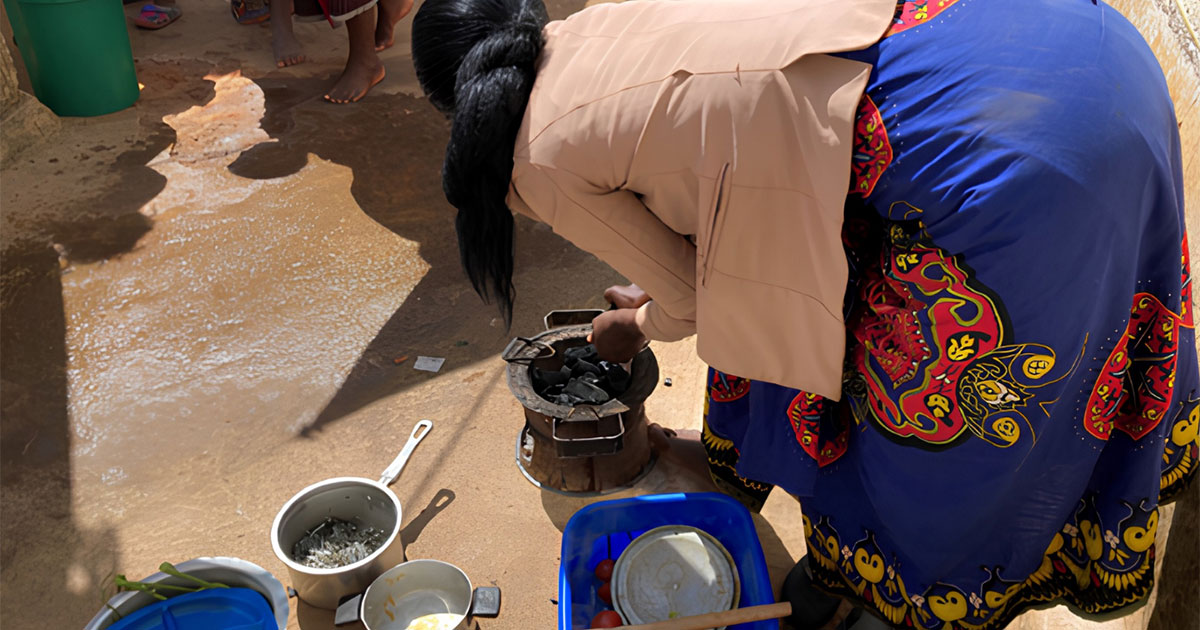
Sofia Topcu Madsen is a former PhD fellow at Aalborg University, Department of Sustainability and Planning. As part of her PhD project, Getting the Data Right, she investigates how people across seven countries in low- and middle-income countries spend time and money on different everyday activities, and how socio-economic factors shape what people are able to do.
The project includes Uganda, Kenya, Tanzania, India, Sri Lanka, Argentina, and Mongolia. Based on large-scale time-use and consumption data, Sofia analyses activities such as transport and household work and explores how time and money spent on everyday activities vary across different socio-economic groups.
Working with large datasets
Sofia's analyses are based on several types of detailed data. One example is time-use diaries, where participants report what they do throughout the day in 10-minute intervals. For some countries, the datasets are very large. In the Indian dataset alone, Sofia works with around half a million observations.
This makes the computational work demanding. At first, Sofia tried running analyses on her own computer, but the datasets were too large and the analyses too time-consuming.
"On my own computer, the analyses could take several days to run. With UCloud, it became much faster and more manageable."
UCloud gave her access to more computing power, making it possible to run large analyses more efficiently and rerun them when corrections or adjustments were needed.
Using Stata and R on UCloud
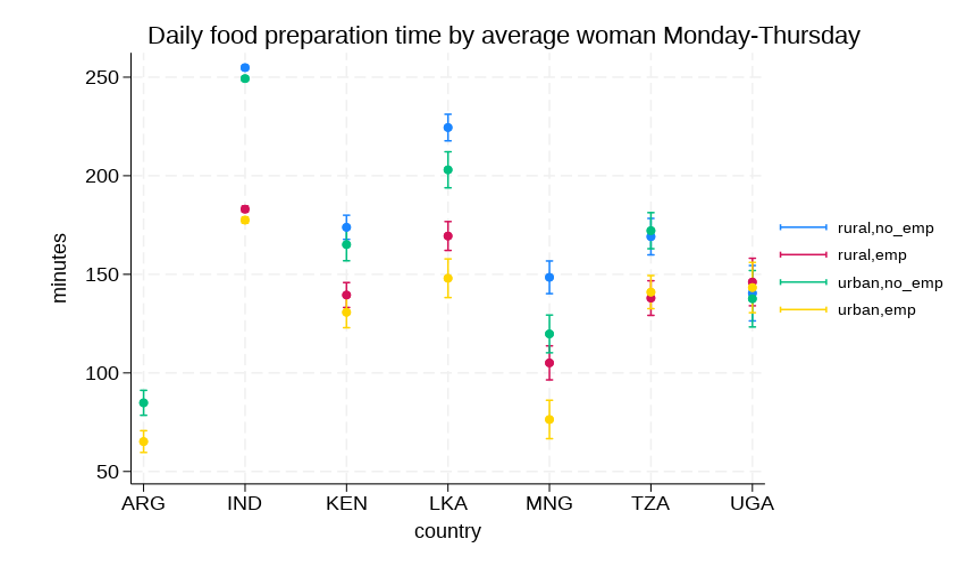
To conduct the analysis, Sofia used Stata and R on UCloud. In her project, the tools were used to run regression analyses to examine how factors such as education, income, and gender relate to the amount of time and money people spend on transport, household work, or other everyday activities.
She used SUR methods, which make it possible to run several related analyses at the same time. This was relevant because the project looks at activities across a full 24-hour day, where time spent on one activity can be connected to time spent on another. Similarly, money spent on products supporting one activity limits money for other products.
Running several analyses in parallel with large datasets requires substantial computing power and would have been very time-consuming on a normal laptop. By using UCloud, Sofia could run the analyses faster and more efficiently.
Contributing to research on sustainable development
Sofia's research is connected to the UN Sustainable Development Goals by exploring how everyday activities can be used as indicators of broader social and economic conditions.
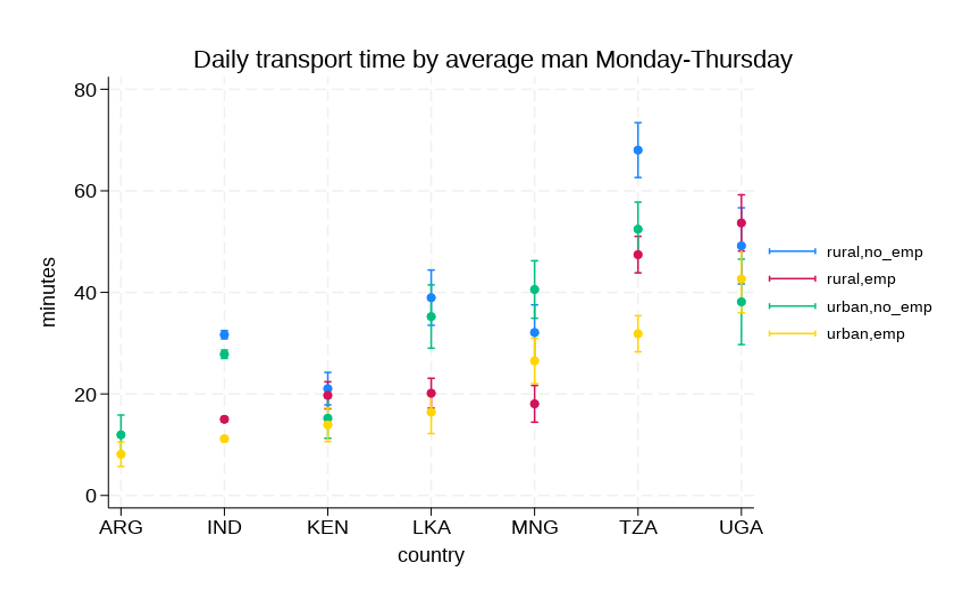
How people spend their time can tell us something important about everyday life, inequality, and opportunities. A joint perspective on time and money spent on transport, household work, or leisure can reveal how resources, responsibilities, and opportunities are distributed across population groups.
"Time can also be understood as a resource. Looking at how people spend their time gives us another way to understand poverty, inequality and sustainable development."
A platform that was easy to get started with
Sofia describes UCloud as easy to access and use, especially once the workflow was in place. She also highlights support as an important part of the experience.
"The support has been very effective. I have received quick answers to my questions, and that has been a big help."
Sofia received support from Aalborg University's local Front Office. Each Danish university has its own Front Office where researchers can get help with access, usage, and practical questions about UCloud.
Would use UCloud again
Sofia is now employed at the University of Copenhagen, Department of Food and Resource Economics, and she can see herself using UCloud again in future research.
"I would definitely use UCloud again."
Because UCloud is available to researchers affiliated with Danish universities, Sofia can continue using the platform in future research projects.
Source and credit: This use-case is reposted from Interactive HPC's original story, "How UCloud supported large-scale research combining time-use and consumption data to understand socio-economic differences." Read the original article here: interactivehpc.dk/?p=2875.